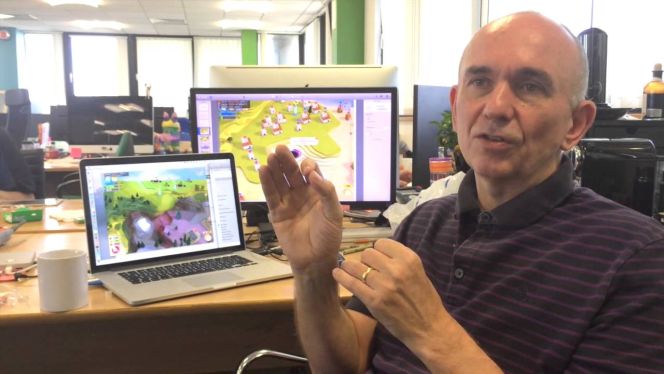
Peter Molyneux once stood at the summit of game design—hailed as the visionary behind Populous, Dungeon Keeper, and Black & White. But behind the accolades and TED Talks lies a trail of broken promises, abandoned projects, and real people who lost money betting on his next big thing.
His legacy isn’t just about innovation. It’s also about disillusionment.
Now, the spotlight turns not to the man himself, but to the players—investors, backers, developers, and fans—who paid a steep price for believing in his grand visions.
The Godus Disaster: When Crowdfunding Met Hubris
In 2012, Molyneux launched a Kickstarter for Godus, a spiritual successor to Populous. The campaign was a sensation: 16,716 backers pledged $872,551, seduced by promises of god-game revolution—real-time evolution, deep player agency, and emergent storytelling.
But the delivered product bore little resemblance to the demo.
Instead of an expansive sandbox, backers received a stripped-down, pay-to-progress mobile clicker. The Steam Early Access version was clunky, feature-lacking, and riddled with microtransactions. Two years after launch, Godus Wars—a poorly received RTS spinoff—was pushed to monetize further, alienating the remaining community.
Backers didn’t just lose money. They lost time, trust, and belief in crowdfunding as a model for honest development.
Among them: indie developers who diverted their own budgets to support Molyneux’s vision, only to see their investment fund a product they wouldn’t ship themselves.
Meet the Backers Who Bet Big
Not all Kickstarter supporters pledged $20. Some went all-in, expecting not just a game, but equity, influence, or early publishing rights.
Take Daniel Rutter, a UK-based game designer who pledged $500. His reward? A “producer credit” and a promise of input on design. “I thought it was a chance to work with a legend,” he said in a 2016 blog post. “Instead, I got ignored emails and a mobile game worse than what you’d see in a subway ad.”
Then there’s Lena Cho, a mobile investor from Singapore who backed Godus through a larger investor tier. She saw Molyneux’s TED talk and believed the game could disrupt the freemium model. “I put in $10,000 through a backchannel agreement thinking there might be revenue share,” she admitted anonymously in a 2018 industry survey. “There was no contract. No returns. Just silence.”
These aren’t outliers. Dozens of high-tier backers received minimal communication, broken promises, and no recourse. Unlike shareholders, crowdfunders have no legal standing when a project fails—only goodwill. And when that goodwill evaporates, so does accountability.
The 22Cans Exodus: Talent That Paid the Price
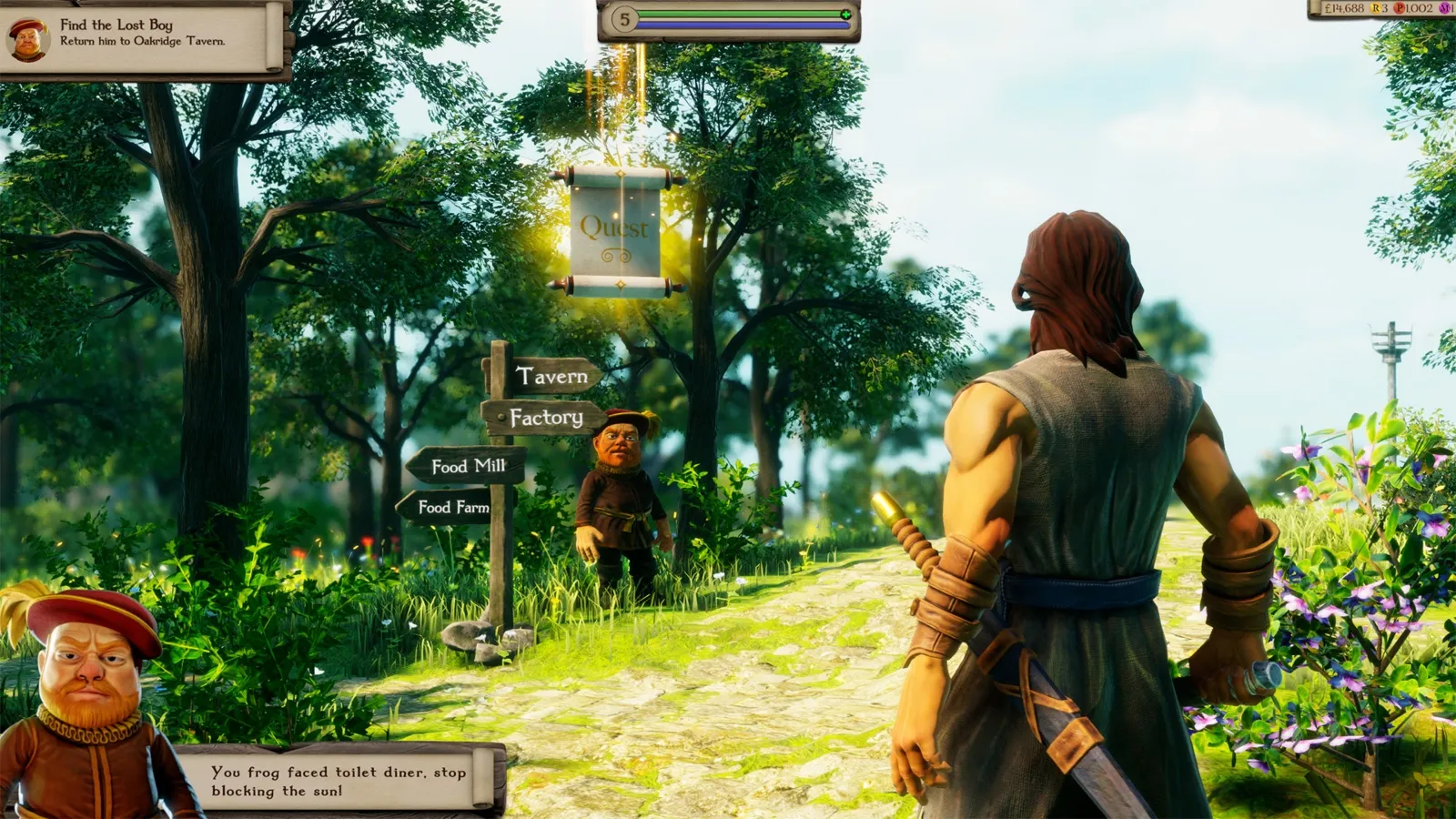
Before Godus collapsed, Molyneux founded 22Cans—a studio built on promise, not profit. Early hires were lured by the Molyneux name, leaving stable jobs at EA, Ubisoft, and Sony.
But inside 22Cans, morale crumbled.
Developers describe a chaotic environment: shifting goals, lack of clear direction, and a founder more focused on media appearances than engine optimization. One anonymous programmer, who worked on Godus from 2013–2015, said, “We were told we were building the future of god games. What we actually built was a data-mining tool for ad-based mobile retention.”
When the studio pivoted to mobile and microtransactions to survive, many quit.
The cost? Years of career momentum lost. Résumés padded with a failed project. And in some cases, relocation expenses unrecovered—all because they trusted a name.
One former lead artist, who moved from Canada to Guildford for the job, said, “I cashed out my savings, rented a flat, brought my family. Two years later, I was back in Toronto doing contract art for $30 an hour. Molyneux didn’t owe me money. But he owed me honesty.”
Publishers That Walked Away Empty-Handed
Molyneux’s influence extended beyond crowdfunding. Major publishers once lined up to fund his ideas.
DeNA, the Japanese mobile giant, partnered with 22Cans in 2013 with a reported $15–20 million investment. The goal? Turn Godus into a global mobile phenomenon.
It failed.
By 2016, DeNA had exited the Western gaming market entirely—partly due to underperforming titles like Godus. Internal reports cited “overpromising and underdelivering” as a key reason for the withdrawal.
Similarly, Microsoft, which acquired Lionhead Studios in 2006, absorbed massive losses after Fable Legends was canceled in 2016. The game—another Molyneux-led project—had been in development for years, with a live-service model that never gained traction. The studio shut down days after the announcement.
Microsoft never disclosed exact figures, but industry analysts estimate the Fable franchise cost over $100 million in development and marketing over a decade—with diminishing returns.
Publishers don’t cry publicly. But their balance sheets tell the story: Molyneux’s later projects were expensive gambles that didn’t pay off.
The Fans Who Paid Twice
Backers lost money. Developers lost time. But fans lost something harder to quantify: belief.
Many preordered Fable titles multiple times, drawn in by Molyneux’s live demos and emotional pitches. At E3 2007, he famously wiped away tears describing Fable 2’s emotional depth. Fans believed.
Yet the final products rarely matched the hype.
One fan, James Teller, bought every Fable game at launch—and the special editions. “I spent over $400 just on Fable 3’s collector’s package,” he said. “And the game was… fine. Not revolutionary. Not life-changing. Just another RPG with a quirky tone.”
When Fable Legends was canceled, many felt betrayed. They’d supported the franchise for years, only to see it fizzle under Molyneux’s direction.
More recently, Molyneux teased Legacy, a blockchain-based god game announced in 2021. Promising “true ownership” and player-driven worlds, it raised eyebrows—and funds. But as of 2024, it remains vaporware.
Fans who bought into the whitepaper or early NFT tiers are now waiting again. History, it seems, is repeating.
The Pattern: Vision Without Delivery
What ties these stories together isn’t just one failed game. It’s a pattern:
- Overpromising in public forums
- Relying on charisma over deliverables
- Shifting scope to survive
- Monetizing early adopters when growth stalls
Molyneux’s strength has always been storytelling—but not in code. His pitches are masterclasses in inspiration. But inspiration doesn’t ship games.
Developers need pipelines. Publishers need ROI. Backers need transparency.
Instead, they got demos that didn’t reflect reality. Roadmaps that changed monthly. And products that felt like afterthoughts.
Even Black & White, often hailed as a peak, was reportedly developed under chaos—missed deadlines, ballooning budgets, and last-minute feature cuts.
The difference? In the early 2000s, publishers had more patience. Today, the market demands results—and Molyneux’s model no longer fits.
Can the Legacy Be Salvaged?
Molyneux remains active. 22Cans still exists. Legacy still has a website.
But credibility is a finite resource.
Younger developers don’t cite him as an influence like they once did. Investors are wary. Crowdfunding backers have grown skeptical.
Yet some still believe.
“I don’t hate Molyneux,” said indie developer Ravi Mehta, who backed Godus and now runs his own studio. “I hate that no one called him out sooner. The man dreams big. But someone needs to build the bridge from dream to delivery.”
Perhaps the real lesson isn’t about one man’s failures. It’s about the ecosystem that enabled them.
Crowdfunding gives creators freedom—but removes accountability. Charisma can open doors, but only execution keeps them open.
And in an industry built on trust, broken promises don’t just kill projects. They erode faith.
Moving Forward: Lessons from the Fallout
If you’re a backer, developer, or investor, here’s what to take from the Molyneux saga:
- Scrutinize demos closely: If it looks too good to be true, it probably isn’t built yet.
- Demand communication: Regular, honest updates are a sign of integrity.
- Avoid hero worship: A famous name doesn’t guarantee a shipped product.
- Diversify risk: Don’t bet your savings—or your career—on one visionary.
- Ask about the team: Who’s doing the actual work? Are they accountable?
Molyneux’s story isn’t unique. It echoes across tech, film, and startups. Visionaries often fail not because they lack ideas, but because they undervalue execution.
For those who lost money, time, or trust—there’s no refund. But there is wisdom.
And in an age of hype cycles and influencer developers, that wisdom might be the most valuable asset of all.
FAQ
What should you look for in The Players Burned by Peter Molyneux’s Broken Promises? Focus on relevance, practical value, and how well the solution matches real user intent.
Is The Players Burned by Peter Molyneux’s Broken Promises suitable for beginners? That depends on the workflow, but a clear step-by-step approach usually makes it easier to start.
How do you compare options around The Players Burned by Peter Molyneux’s Broken Promises? Compare features, trust signals, limitations, pricing, and ease of implementation.
What mistakes should you avoid? Avoid generic choices, weak validation, and decisions based only on marketing claims.
What is the next best step? Shortlist the most relevant options, validate them quickly, and refine from real-world results.