Most city builder games promise the dream of designing a skyline, managing traffic flow, and watching your metropolis thrive—yet few deliver a balance of depth, realism, and engagement. Steam hosts hundreds of city-building titles, but only a fraction rise above the noise. Whether you're a veteran of the genre or stepping into your first zoning menu, the right game should challenge your planning instincts, reward creativity, and feel satisfying when systems interlock.
This list cuts through the clutter, spotlighting standout city builder games on Steam that deliver on mechanics, immersion, and long-term gameplay value. No fluff, no misleading ratings—just tested, proven titles that resonate with real players.
What Makes a Great City Builder on Steam?
Not all city-building experiences are created equal. The difference between a forgettable sim and a genre favorite lies in execution: how well mechanics simulate urban development, how intuitive the interface is, and whether progression feels meaningful.
A strong city builder should: - Offer layered systems (zoning, utilities, economy, disaster response) - Allow creative freedom without sacrificing realism - Provide meaningful feedback when things go wrong (e.g., traffic jams, pollution, unemployment) - Support both short play sessions and deep, long-term campaigns
Games like Cities: Skylines set the modern benchmark, but Steam’s indie scene has pushed boundaries with unique twists—post-apocalyptic rebuilding, automation focus, or historical constraints. The best choices blend accessibility with depth, letting players grow from laying their first residential zone to managing megacities with international trade.
Cities: Skylines – The Modern Standard
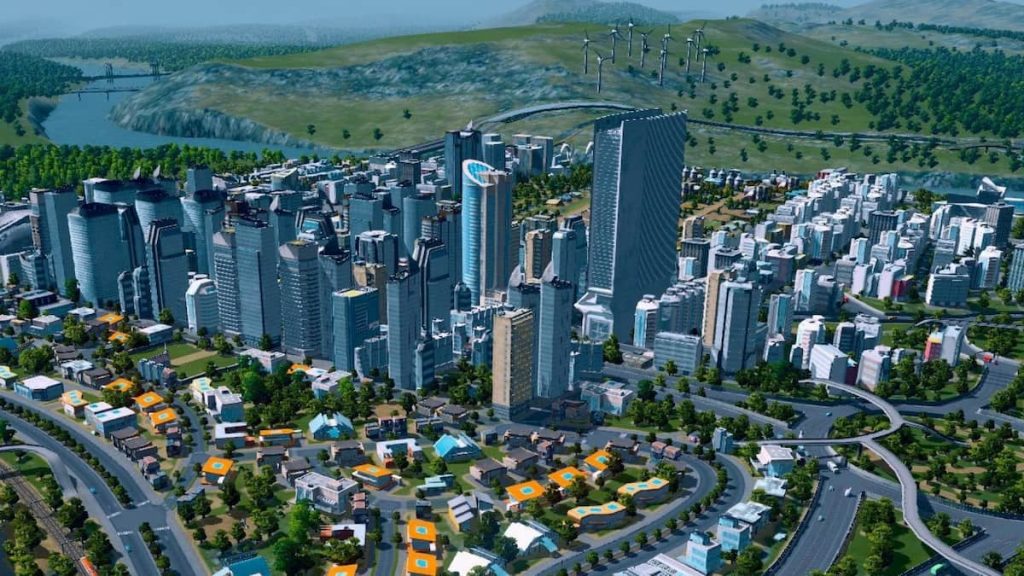
Few titles have defined a genre resurgence like Cities: Skylines. Developed by Colossal Order and published in 2015, it became the spiritual successor to SimCity 4 for players frustrated by the 2013 reboot’s limitations.
Its appeal lies in scalability. You can start small—a town of 10,000—and gradually expand into a multi-district metropolis with subways, airports, and specialized industrial zones. The traffic AI, while occasionally quirky, forces thoughtful road hierarchy decisions. One wrong interchange design can collapse your entire city’s commute network.
Why it stands out: - Robust mod support via Steam Workshop (over 500,000 mods available) - Extensive DLCs that add depth (e.g., after-dark economy, parklife districts) - Active community sharing custom maps, assets, and challenges
Common mistake? Placing sewage outlets downstream from fresh water pumps. New players often overlook pollution flow, leading to widespread sickness. Always check wind and water direction before placing utilities.
Even after years, Cities: Skylines remains the go-to benchmark—so much so that its sequel, Cities: Skylines II, launched with high expectations and mixed early reception due to performance issues. For now, the original still holds the crown on Steam.
Frostpunk – Survival Meets Urban Planning
Frostpunk flips the city builder formula: instead of growth for growth’s sake, survival is the goal. Set in a frozen, alternate 19th century, you manage the last city on Earth, powered by a massive geothermal generator.
Here, every decision carries moral weight. Enact child labor to boost production during a storm? Or risk population collapse by maintaining humane policies? The game blends city management with narrative stakes, tracking hope and discontent like vital signs.
Key mechanics: - Temperature management across districts (build heaters, but risk coal shortages) - Law drafting that shapes societal structure - Crisis events like blizzards and supply shortages
It’s not just about layout—it’s about prioritization. Placing homes too far from the generator means citizens freeze. Over-expanding food production drains manpower from critical infrastructure.
Frostpunk isn’t a traditional city builder, but it expands what the genre can do. It teaches resource hierarchy and emergency planning in ways few other games dare.
Surviving the Aftermath – Rebuild Civilization from Scratch
In Surviving the Aftermath, you don’t inherit land—you reclaim it. Earth has been ravaged by ecological collapse, and you’re leading a colony effort to rebuild. Like Frostpunk, it’s survival-focused, but with greater emphasis on exploration and procedural generation.
Each playthrough starts with selecting a biome—arid, frigid, or temperate—each with distinct challenges. Water scarcity in deserts, permafrost in tundras, and frequent sandstorms shape your city’s evolution.
Strategic highlights: - Colonist specialization (engineers, scientists, guards) - Ruin exploration for tech and materials - Dynamic weather and disasters (dust storms, meteor showers)
One underrated aspect: the dependency web. Power plants need metal, metal mines need workers, workers need food, food needs water, and so on. Break one link, and the chain fails. This forces long-term planning—don’t build a research lab until you’ve secured stable power and staffing.
Mod support is growing, with quality-of-life tweaks and new scenarios available on Steam Workshop. While not as polished as Cities: Skylines, it offers fresh stakes for players tired of peaceful urban development.
Banished – Simplicity with Depth
Banished stands out for its stripped-down visuals and surprising depth. You lead a group of exiles to build a permanent settlement using only medieval tools and natural resources. No power grids, no traffic—just survival through agriculture, housing, and weather adaptation.
The charm lies in its realism. Trees take years to grow. People age, get sick, and die. A harsh winter can wipe out your food stores and shrink your population. There’s no way to “win”—only to endure.
Critical gameplay loops: - Seasonal farming cycles (plant in spring, harvest in fall) - Education via a schoolhouse to train specialists - Balancing population growth with resource sustainability
A common pitfall? Over-hunting deer to extinction. Once gone, you lose a key food and leather source. Players learn conservation the hard way.
Despite its simple 2D graphics, Banished has a loyal following. It teaches patience and long-term thinking—rare qualities in an age of instant gratification.
Tropico Series – Dictatorship Simulator

The Tropico series lets you play as “El Presidente,” ruling a Caribbean island nation through charm, corruption, or sheer force. It’s part city builder, part political satire, with heavy emphasis on balancing competing factions—capitalists, communists, religious groups, and military leaders.
You design cities, but the real challenge is governance. Build luxury resorts to please capitalists, or prioritize public housing to keep the poor content? Allow foreign investment, or go isolationist? Each decision ripples through your island’s stability.
Why it works on Steam: - Multiple eras (colonial, Cold War, modern) with evolving tech and architecture - Dynamic world events (CIA coups, UN sanctions) - Humor and voice lines that keep gameplay engaging
The latest entry, Tropico 6, adds vertical construction and island connectivity via bridges. However, older titles like Tropico 4 still hold up and are often cheaper during sales.
For players who want city building with personality, Tropico delivers.
Indie Gems Worth Trying
Beyond the big names, Steam’s indie catalog hides several compelling options:
| Game | Unique Angle | Steam Rating |
|---|---|---|
| Lethis – Path of Progress | Steampunk city builder with moral choices | 89% (Very Positive) |
| Vicinity | Procedural planet colonization, early access but promising | 92% (Overwhelmingly Positive) |
| VoxTopia | Creative voxel-based building with multiplayer | 90% (Very Positive) |
| Voxel Tycoon | Transport-focused city builder with retro aesthetics | 87% (Very Positive) |
| Vastar | Real-time strategy mixed with city development | Early Access, 85% |
These titles often experiment with mechanics that bigger studios avoid. Lethis, for example, ties pollution to citizen health and rebellion risk, while Voxel Tycoon emphasizes logistics over aesthetics.
How to Choose the Right Game for You
Ask yourself: - Do I want realism or creative freedom? (Cities: Skylines vs. VoxTopia) - Am I here for strategy or story? (Frostpunk vs. Tropico) - Do I prefer solo development or multiplayer collaboration?
Also, check mod availability. Games like Cities: Skylines and Tropico 6 are dramatically enhanced by community content. If you hate UI clutter, avoid titles with dense overlay systems unless they offer info-visibility toggles.
And always read recent reviews. A game might have strong initial ratings but degrade over time due to bugs or lack of updates.
Final Tips for Mastering City Builders
- Start small: Don’t jump into megacity mode. Learn core mechanics first.
- Use overlays: Monitor water, power, and pollution levels early.
- Plan for expansion: Leave room between districts for future roads or transit.
- Save often: Especially before enacting major policies or starting disasters.
- Embrace failure: A collapsed economy or riot is a learning opportunity.
The best players aren’t those who build the biggest cities—they’re the ones who adapt.
Conclusion
City builder games on Steam offer one of gaming’s most rewarding loops: vision, execution, and evolution. From the sprawling districts of Cities: Skylines to the frozen desperation of Frostpunk, each title teaches planning, consequence, and creativity.
Pick one that matches your play style, dig into its systems, and don’t fear starting over. Every failed city is a step toward mastery.
Now fire up Steam, choose a builder, and lay your first road.
Frequently Asked Questions
What is the most realistic city builder on Steam? Cities: Skylines is widely considered the most realistic due to its detailed traffic AI, zoning mechanics, and mod support for real-world city replication.
Is Cities: Skylines better than SimCity? For most players, yes. Cities: Skylines offers larger maps, better mod support, and fewer restrictions than SimCity (2013), though SimCity 4 still has a dedicated fanbase.
Can I play city builders offline? Yes, most city builder games on Steam, including Cities: Skylines, Frostpunk, and Tropico, support offline play once activated.
Are there multiplayer city builder games on Steam? Few are true multiplayer, but VoxTopia and Vicinity offer collaborative building. Most focus on single-player experiences.
Do city builders require a powerful PC? Late-game Cities: Skylines can demand 16GB RAM and a solid GPU, especially with mods. Indie titles like Banished run on nearly any system.
Which city builder is best for beginners? Cities: Skylines has a gentle learning curve with in-game tutorials. Tropico 4 is also accessible, with humorous guidance and forgiving early-game pacing.
Are there free city builder games on Steam? Not truly free, but some titles like The Settlers Online are free-to-play with in-app purchases. Most quality city builders are paid, typically $20–$40.
FAQ
What should you look for in Best City Builder Games on Steam for Strategy Fans? Focus on relevance, practical value, and how well the solution matches real user intent.
Is Best City Builder Games on Steam for Strategy Fans suitable for beginners? That depends on the workflow, but a clear step-by-step approach usually makes it easier to start.
How do you compare options around Best City Builder Games on Steam for Strategy Fans? Compare features, trust signals, limitations, pricing, and ease of implementation.
What mistakes should you avoid? Avoid generic choices, weak validation, and decisions based only on marketing claims.
What is the next best step? Shortlist the most relevant options, validate them quickly, and refine from real-world results.